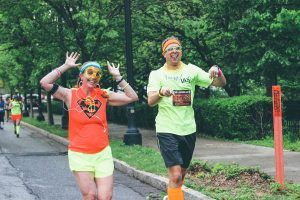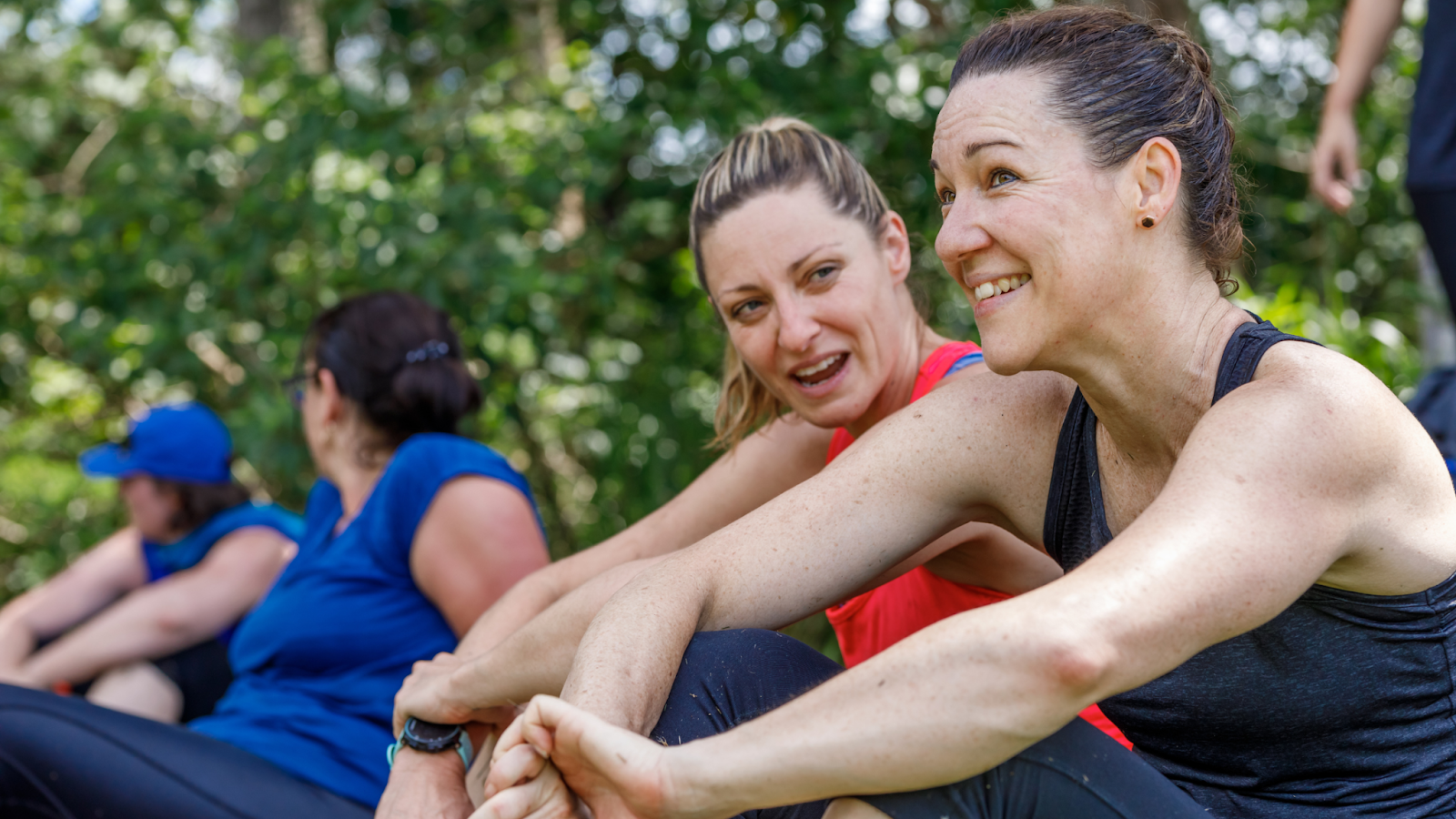
Recovery is just as important as training when it comes to becoming a stronger, healthier runner. While many people think rest means complete inactivity, active recovery offers a smarter way to bounce back after tough runs or races. By incorporating gentle movement and mobility work into your post-race routine, you can speed up healing, improve circulation, and even boost your mental well-being. Let’s explore the benefits of active recovery every runner should know and how it can transform the way you approach rest days.
- Helps with your healing process
Unlike complete rest, active recovery keeps your body moving gently, which can help reduce muscle soreness, stiffness, and fatigue. Incorporating active recovery into your post-race routine can accelerate the healing process and help you feel better faster.
- Increases blood flow
Another benefit of active recovery is the enhancement of blood flow to the muscles. Low-intensity activities such as walking, swimming, or cycling at a leisurely pace can increase circulation without placing additional stress on your muscles and joints. This improved blood flow helps deliver oxygen and nutrients to the muscles, facilitating the removal of metabolic waste products like lactic acid. As a result, you may experience reduced muscle soreness and quicker recovery times.
- Improves your mental health
In addition to physical benefits, active recovery can also provide mental advantages. Engaging in gentle activities can help combat the post-race blues and maintain a sense of routine. It allows you to stay active without the intensity of regular training, keeping your mind engaged and motivated.
Incorporating activities you enjoy, such as yoga, hiking, or light resistance training, can make active recovery a pleasant and rewarding part of your post-race plan.
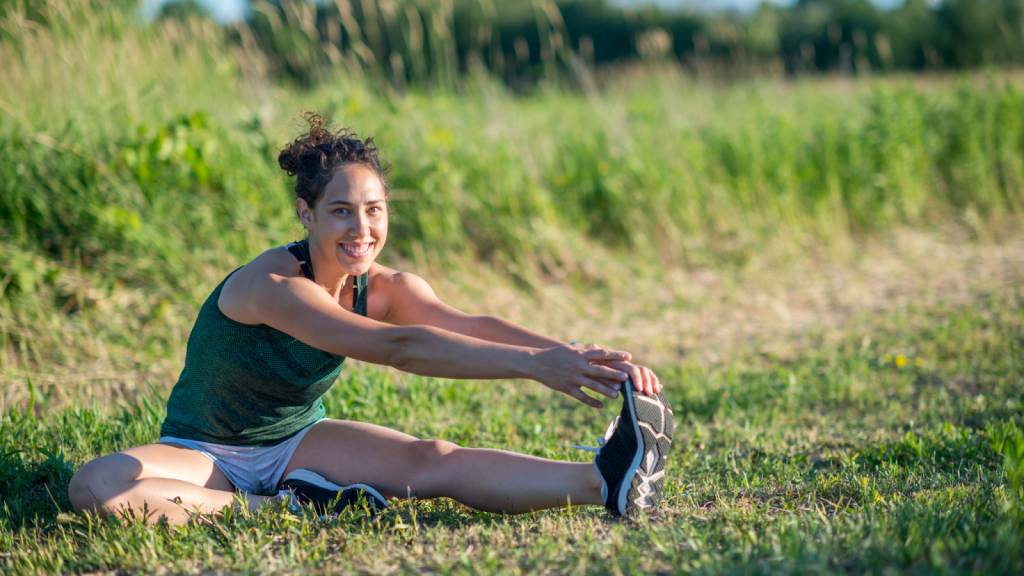
Stretching and Mobility Exercises for Runners
Stretching and mobility exercises are essential components of a runner’s post-race recovery routine. After the intense physical activity of a race, your muscles can become tight and stiff, leading to discomfort and limited range of motion. Incorporating stretching and mobility exercises can help alleviate muscle tension, improve flexibility, and enhance overall movement patterns, promoting a quicker and more effective recovery.
Static stretching
This is where you hold a stretch for a prolonged period, and is particularly beneficial after a race. Focus on major muscle groups used during running, such as the:
- Calves
- Hamstrings
- Quadriceps
- Hip flexors
- Glutes
Hold each stretch for at least 20-30 seconds without bouncing. This can help lengthen muscle fibers, reduce tightness, and prevent muscle imbalances.
Dynamic stretches
Additionally, incorporating dynamic stretches, which involve controlled movements through a range of motion, can further improve flexibility and prepare your muscles for future activities.
Mobility exercises
Mobility exercises, which focus on improving joint function and range of motion, are equally important. Techniques such as leg swings, hip circles, and ankle rotations can help maintain joint health and prevent stiffness.
Foam rolling
Foam rolling can also be an effective mobility tool, as it helps release muscle knots and improve blood flow to the tissues. Spend a few minutes each day on these exercises, especially in the days following a race, to support your recovery and enhance your overall running performance.
Are you ready to put your recovery into action?
If you’re looking for ongoing motivation and guidance, join our running club, where you’ll get access to group runs, training tips, and a community of like-minded runners who will keep you inspired. Together, we’ll help you reach your goals, recover smarter, and enjoy every mile of the journey.